
UX Design for Internal Platforms
We map requirements, roles, and workflows to turn processes that live in spreadsheets, emails, and manual tasks into a clear platform, ready to be built.
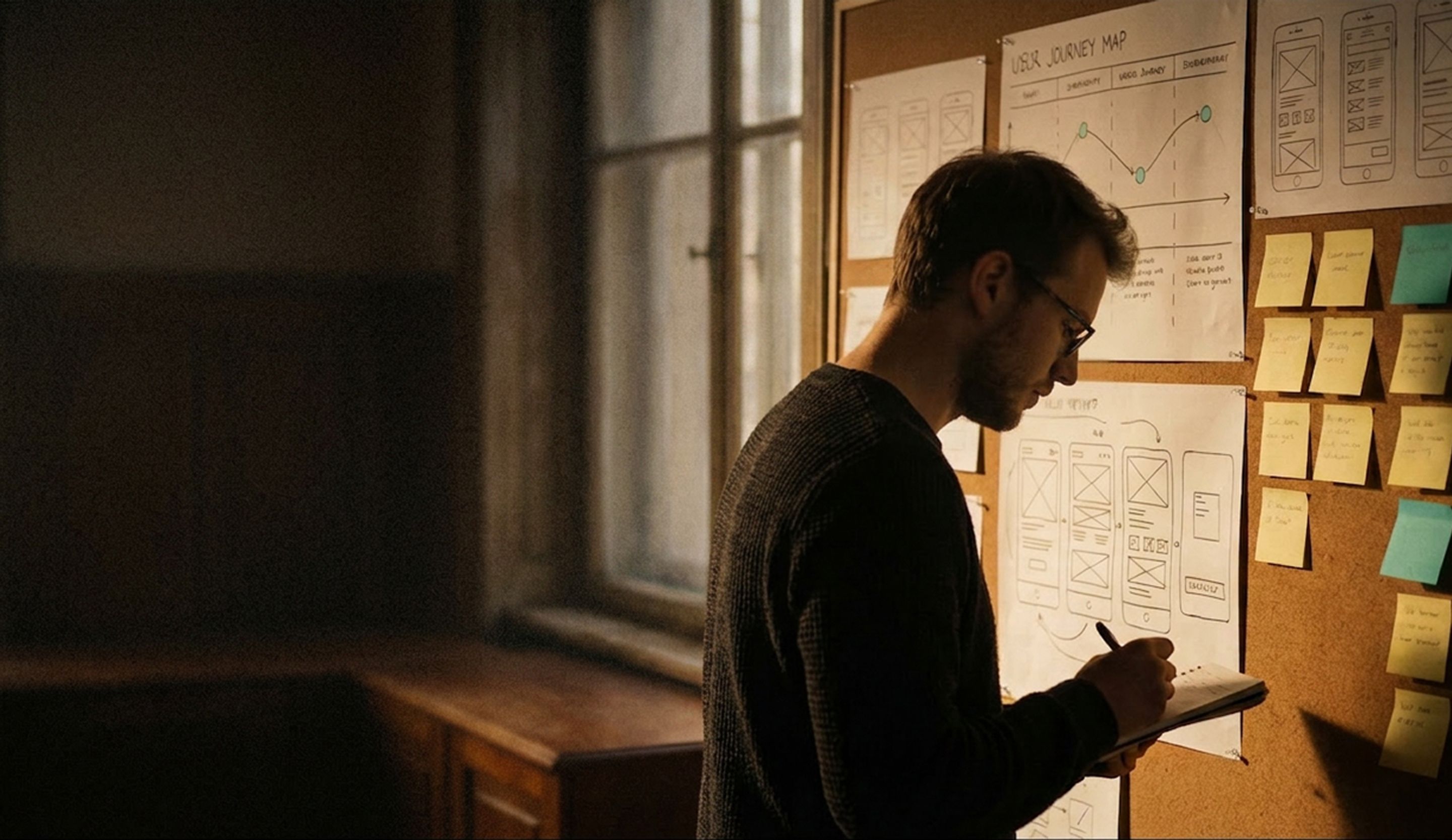







What is User Experience (UX) Design for B2B companies?
User Experience (UX) design for platforms defines how a system will work before a single line of code is written: who uses it, what each role does, which steps each process follows, and what information is needed at every point.
Many industrial B2B companies run critical processes on spreadsheets, emails, and manual approvals: quotes, work orders, inventory, field reports. They work until the company grows. Then come the errors, the double data entry, and the information nobody can find.
This phase turns that process into a well-designed platform. Your team validates how it will work before investing in development, and the technical team receives a clear specification of what to build.
What actually changes
Less Manual Work, Fewer Errors
Each Role Sees What It Needs
Development Without Surprises
What you get
Current Process Map
Product Requirements Document (PRD)
Roles and Permissions Matrix
User Flows by Role
Screen Architecture
Wireframes (Low & High Fidelity)
Interactive Prototype
User Testing Report
Development Specifications
Proof, not promises
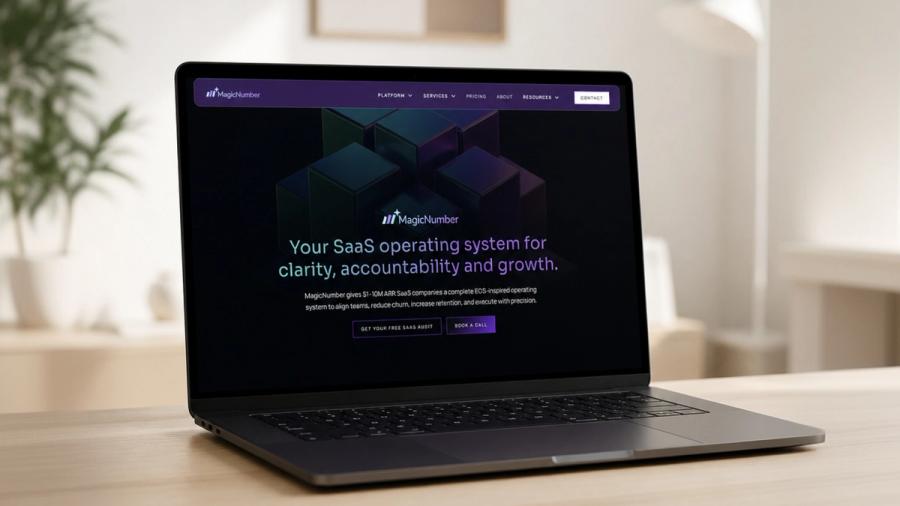
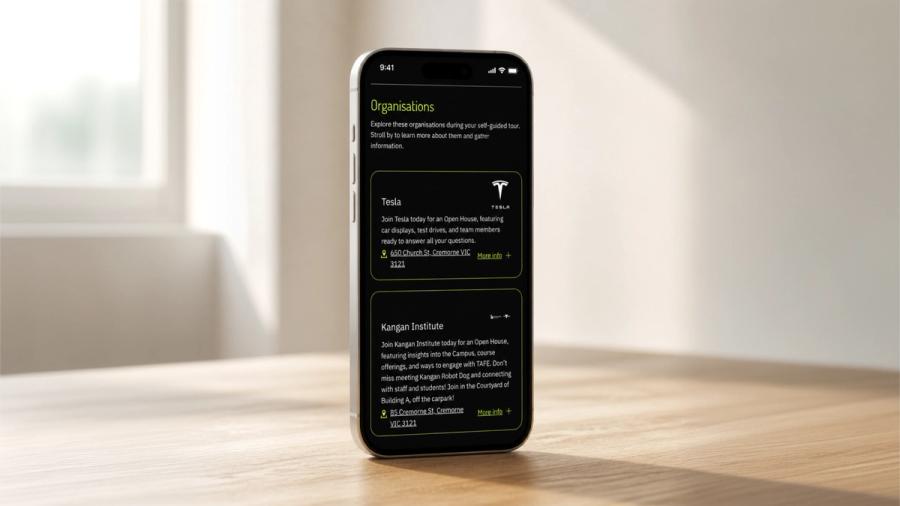
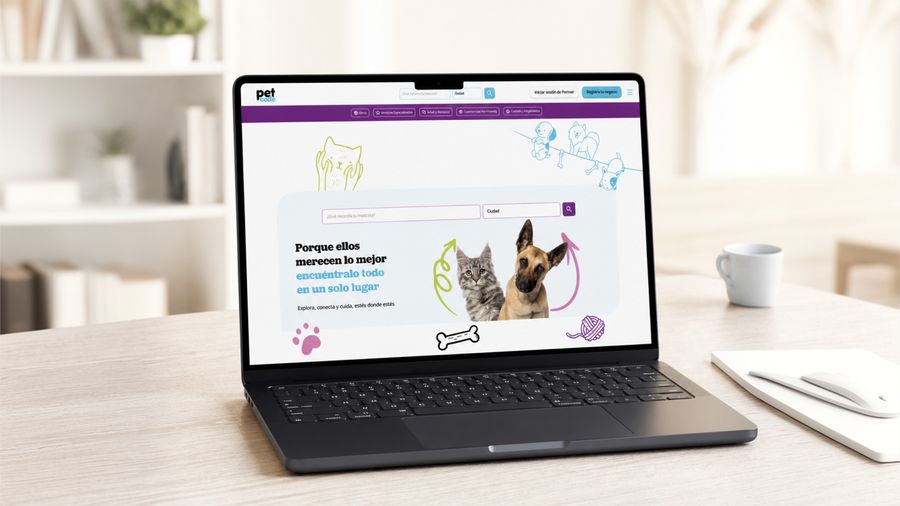
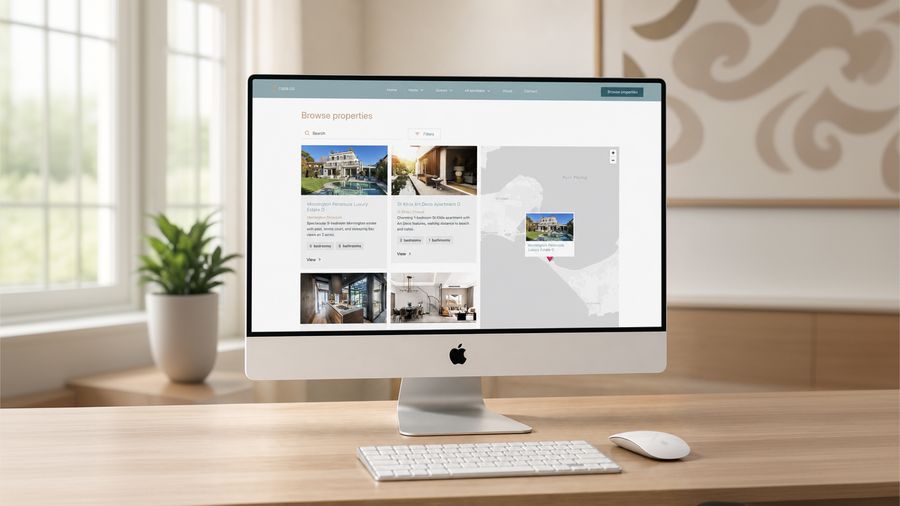
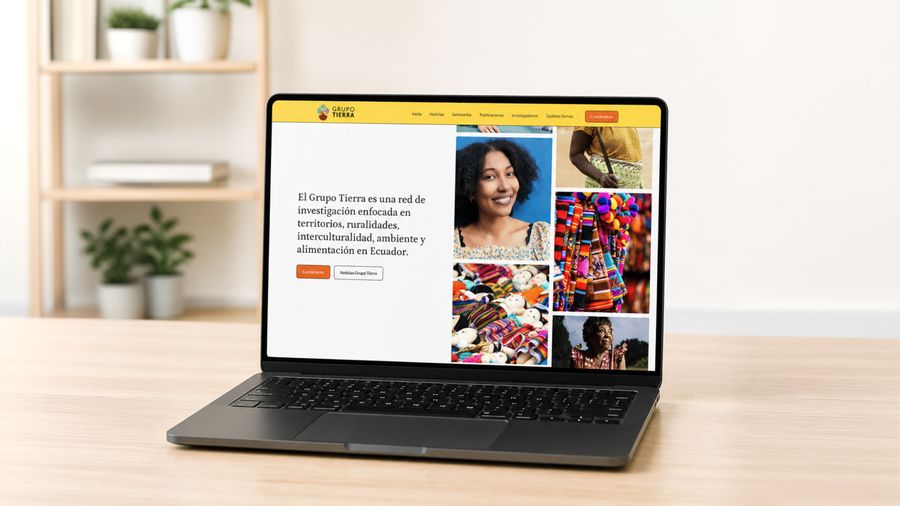
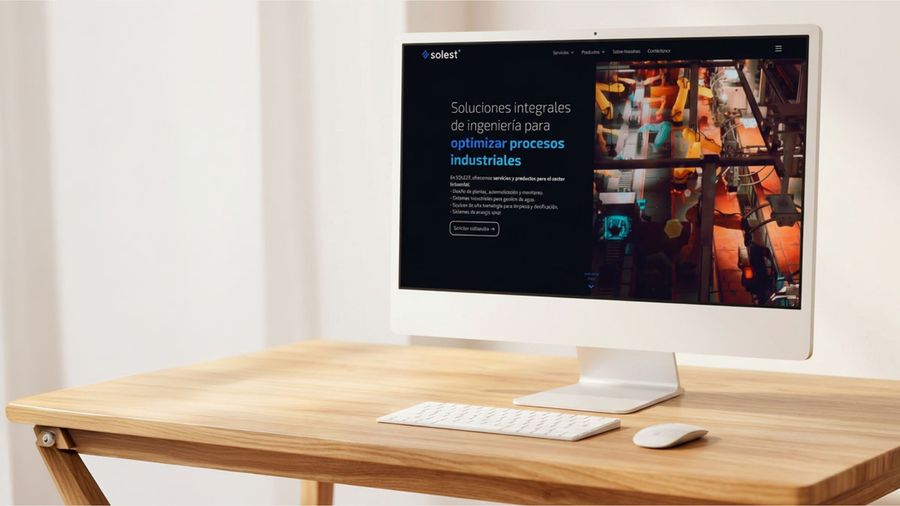
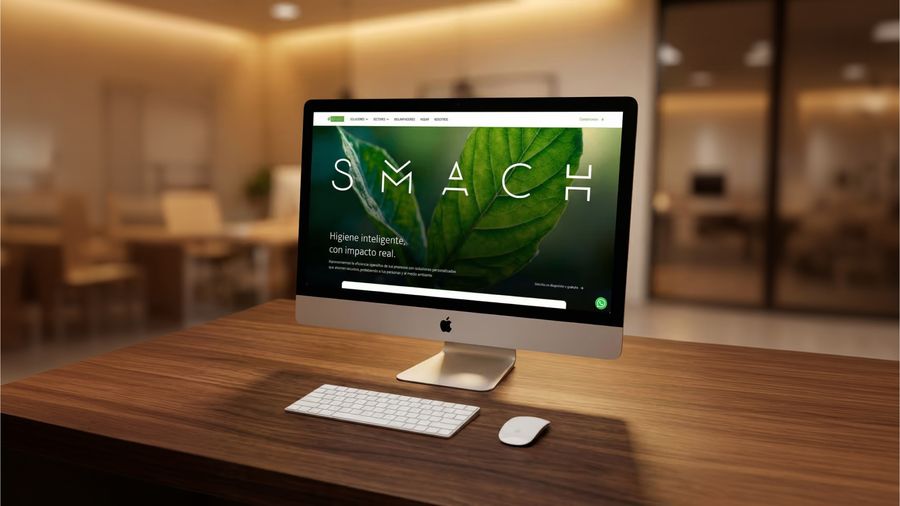
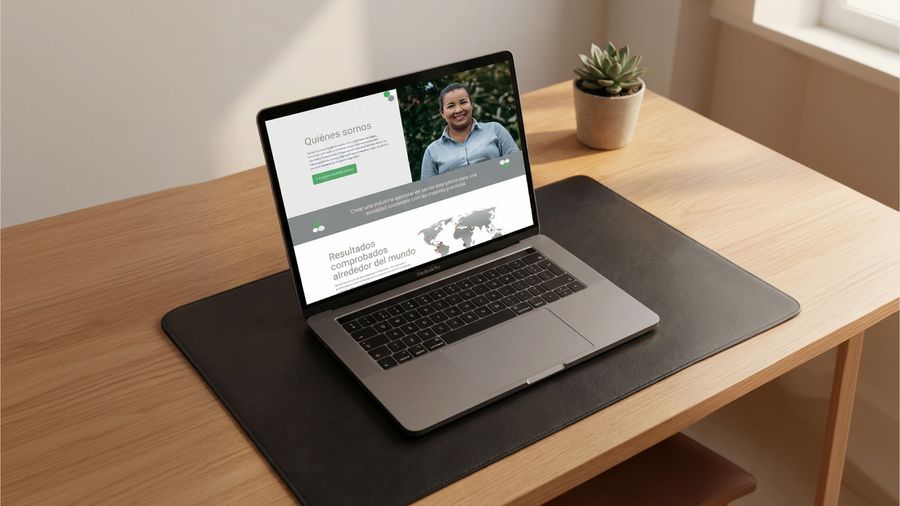
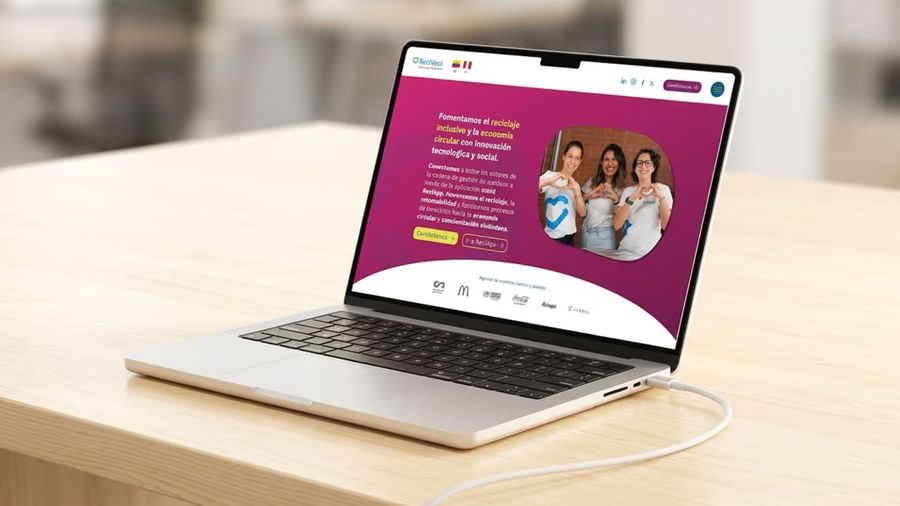
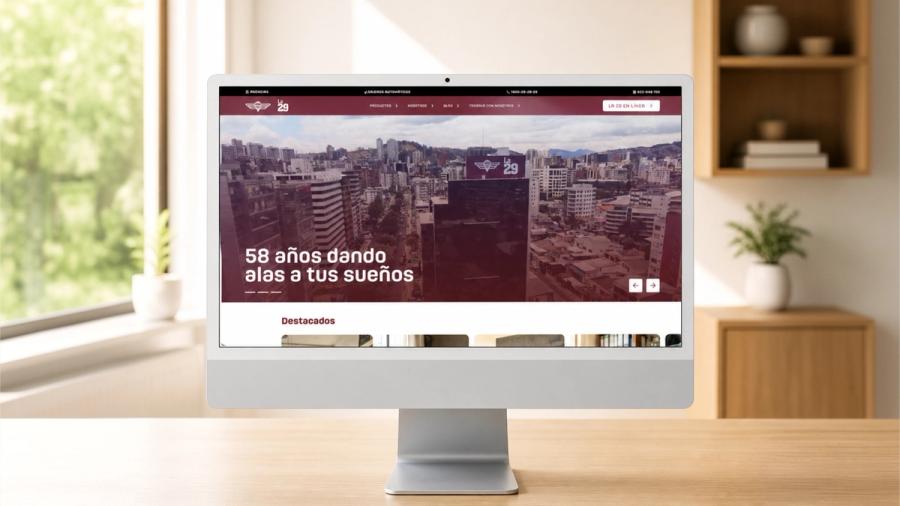
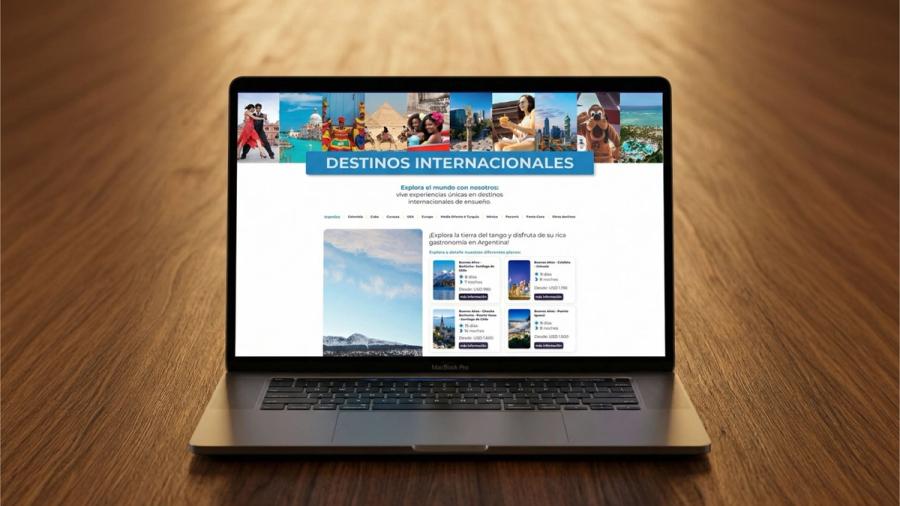
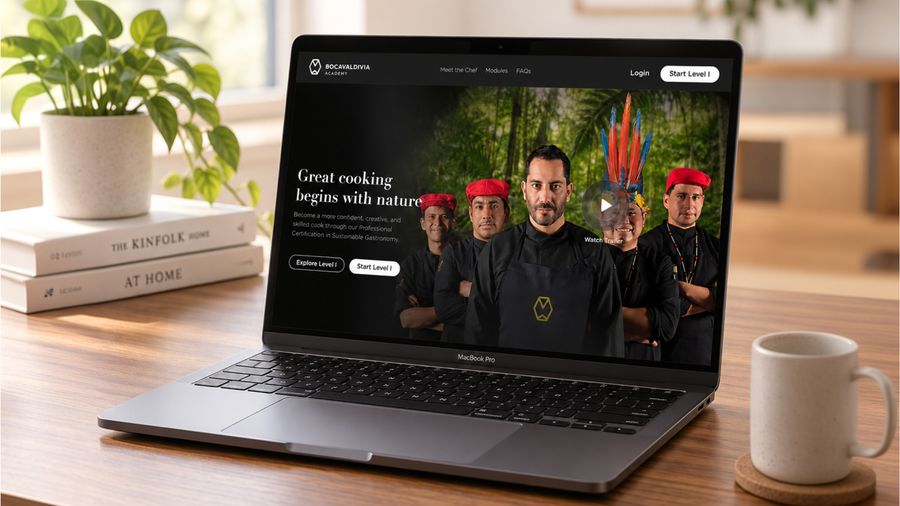
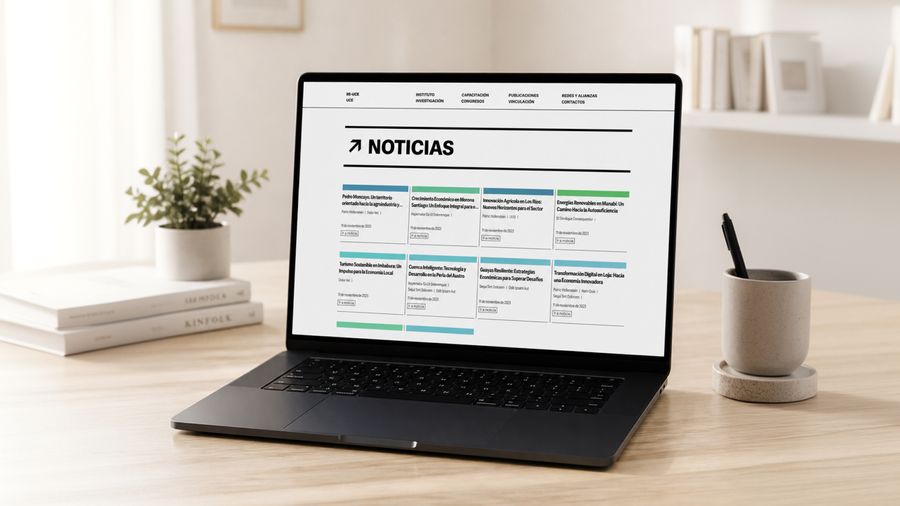
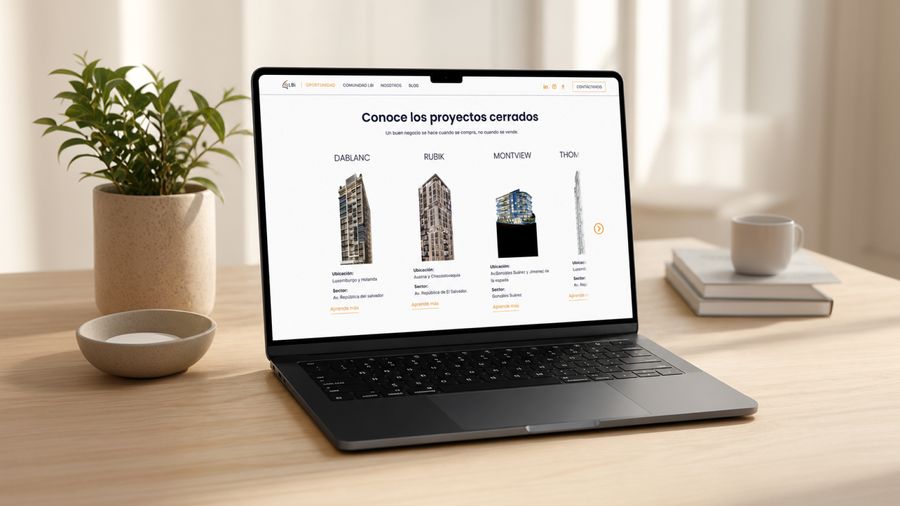
Some of the B2B projects we've delivered.




Investment
For complex platforms and web applications: the first phase, the one that defines what will be built. Includes requirements gathering, user roles, user flows, PRDs, wireframes, and usability testing. Investment varies with the platform scope and the number of roles and flows.
Common questions
It depends on the type of project. Corporate marketing websites start at $10k, and more complex ones land between $15k and $25k depending on design complexity, integrations, and content scope. Web applications start at $35k for a functional MVP and scale with the complexity of workflows, user roles, and integrations. Every project is scoped individually: pricing is defined by your requirements, not by a preset package.
For fixed-scope projects, the standard structure is 60% at kickoff and 40% upon final delivery. For larger projects, payment can be structured across three milestones: initial payment, approved design, and approved development in staging. For support and maintenance work and marketing packages, payment is monthly and paid in advance. For work billed by the hour, we invoice in weekly or biweekly cycles.
Depending on complexity, projects typically take between 6 and 12 weeks. You receive a phase-by-phase timeline before work begins.
Every project starts with a formal discovery phase. We review your business objectives, target audience, competitive landscape, and technical requirements before any design or development begins. This prevents scope changes mid project and aligns expectations from day one.
Yes. Before any campaign launches, we assess your market position, competition, pricing structure, and business objectives to determine whether SEO, SEM, or a combination delivers the best return for your specific situation. We don't run campaigns for the sake of activity, if the conditions aren't right for a channel, we'll tell you.
Yes. Through Webflow Localization or Astro's native i18n, we build multilingual websites that serve different regional markets from a single platform. For language review and quality control across translations, we use the latest Claude models, currently Opus 5. For working communication with clients, such as meetings and deliverables, our languages are English and Spanish.

